How a Septic System Works & How to Avoid Overloading It
A septic system is a crucial part of many homes, especially in rural and suburban areas where municipal sewer systems aren’t available. While it operates out of sight, understanding how your septic system functions—and how to properly care for it—can help you avoid costly repairs and keep everything running efficiently for years to come.
How a Septic System Works
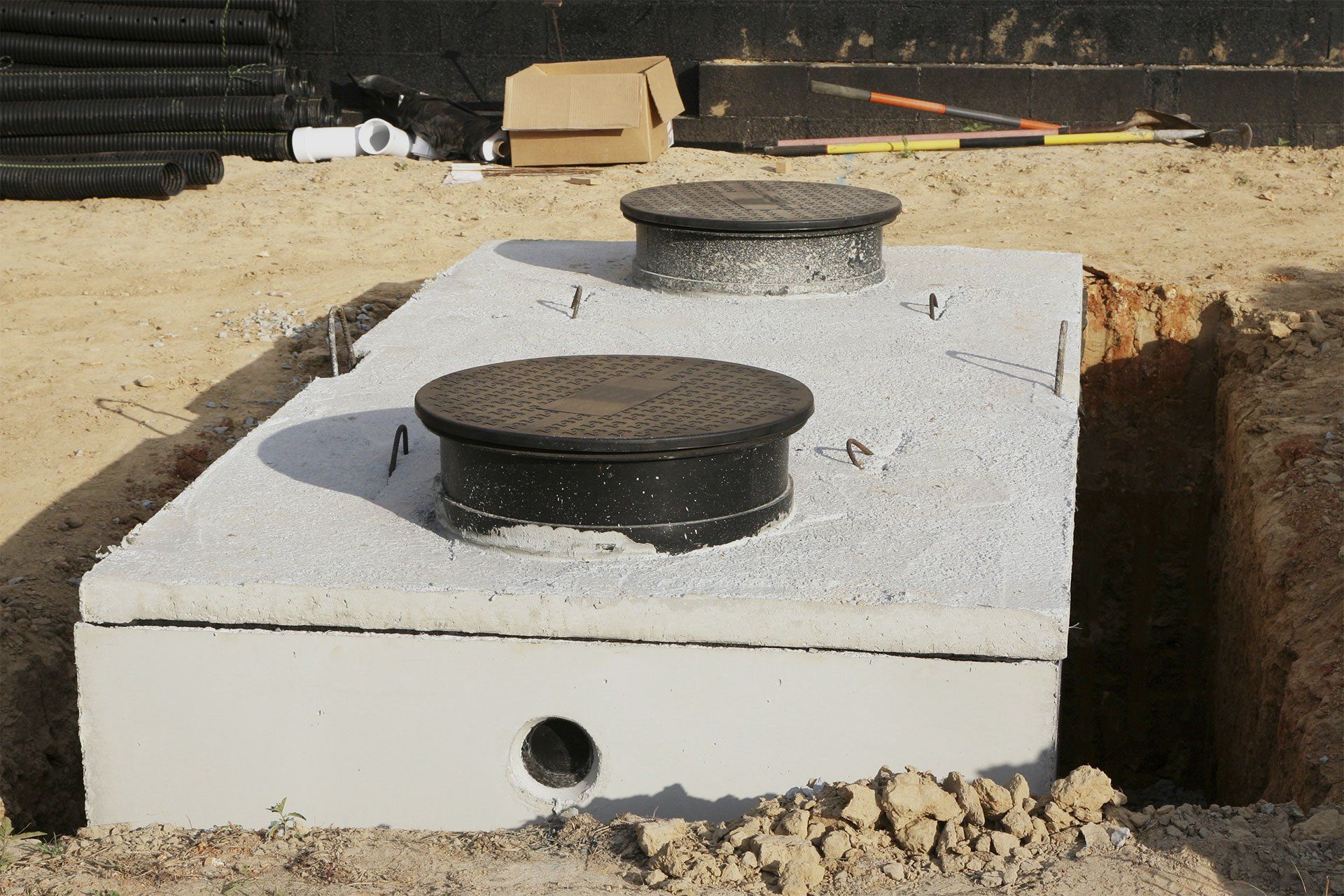
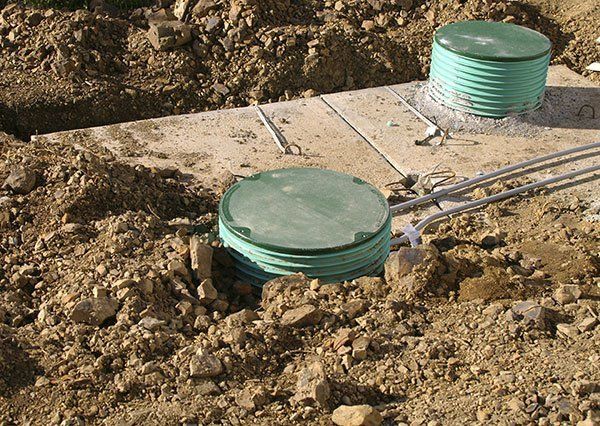
A standard septic system has two main components: the septic tank and the drain field.
1. The Septic Tank
All wastewater from your home flows into the septic tank. Inside the tank:
- Solids settle at the bottom (sludge)
- Oils and grease float to the top (scum)
- Liquid wastewater (effluent) remains in the middle
Naturally occurring bacteria break down some of the solid waste, helping reduce buildup.
2. The Drain Field
The liquid effluent then flows into the drain field, where it is dispersed into the soil. The soil acts as a natural filter, removing harmful bacteria and nutrients before the water returns to the groundwater system.
What Does “Overloading” a Septic System Mean?
Overloading occurs when too much water or waste enters the system too quickly. This can prevent proper separation in the tank and push solids into the drain field, leading to clogs and system failure.
Common Causes of Septic System Overload
Several everyday habits can put unnecessary strain on your system, including:
- Doing multiple loads of laundry back-to-back
- Running dishwashers, showers, and washing machines at the same time
- Ignoring plumbing leaks
- Flushing non-biodegradable items
- Pouring grease or oils down the drain
- Skipping routine septic maintenance
Warning Signs of an Overloaded Septic System
Catching issues early can save you time and money. Watch for these signs:
- Slow-draining sinks, tubs, or toilets
- Gurgling sounds in plumbing
- Unpleasant odors inside or outside your home
- Standing water or soggy spots near the drain field
- Sewage backups in drains or toilets
How to Avoid Overloading Your Septic System
Proper care and regular tank service can keep your system working efficiently. Here are some key tips:
Be Mindful of Water Usage
- Spread out laundry loads throughout the week
- Install water-efficient fixtures
- Fix leaks promptly
Watch What Goes Down the Drain
Avoid flushing or draining:
- “Flushable” wipes
- Paper towels or hygiene products
- Grease, fats, and oils
- Harsh chemicals or cleaners
Schedule Regular Maintenance
- Have your tank inspected regularly
- Pump your septic tank every 3–5 years (or as recommended)
- Keep records of inspections and service
Protect Your Drain Field
- Avoid parking or driving over it
- Don’t plant trees or shrubs with deep roots nearby
- Keep gutters and drainage systems directed away from the area
Contact Our Septic Tank Service Specialists to Get Started
Your septic system is designed to last for decades—but only with proper care. By understanding how it works and taking steps to avoid overloading it, you can prevent costly repairs, protect your property, and maintain a safe, efficient wastewater system.
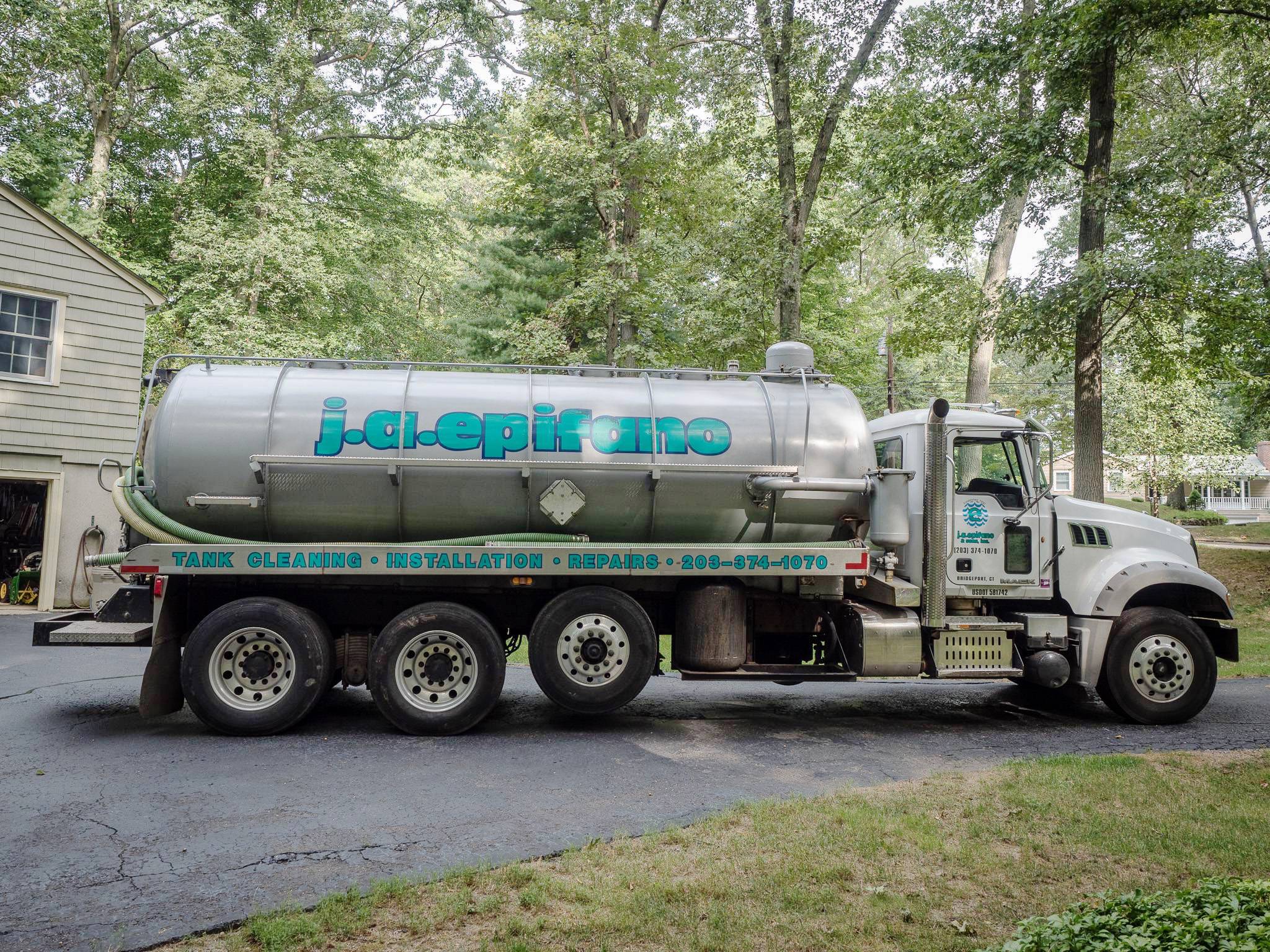
If you're in need of professional support, don't hesitate to contact one of the friendly representatives at J.A. Epifano & Sons, LLC. Our certified technicians are proud to provide versatile septic tank services across the Fairfield, Stratford, and Westport, CT regions.